- Retro Swap
- Posts
- Night Striker Gear — Neon Highways & Pixel Fury
Night Striker Gear — Neon Highways & Pixel Fury
PLUS: Reforging the Arena: Battle Arena Toshinden Blades Its Way Back to Modern Consoles
In partnership with

Fun Fact: In Skyrim, cheese wheels are fully physics-enabled, which led to players famously dumping thousands of them down staircases for fun.
In today’s email:
Start learning AI in 2025

Everyone talks about AI, but no one has the time to learn it. So, we found the easiest way to learn AI in as little time as possible: The Rundown AI.
It's a free AI newsletter that keeps you up-to-date on the latest AI news, and teaches you how to apply it in just 5 minutes a day.
Plus, complete the quiz after signing up and they’ll recommend the best AI tools, guides, and courses – tailored to your needs.
Night Striker Gear — Neon Highways & Pixel Fury
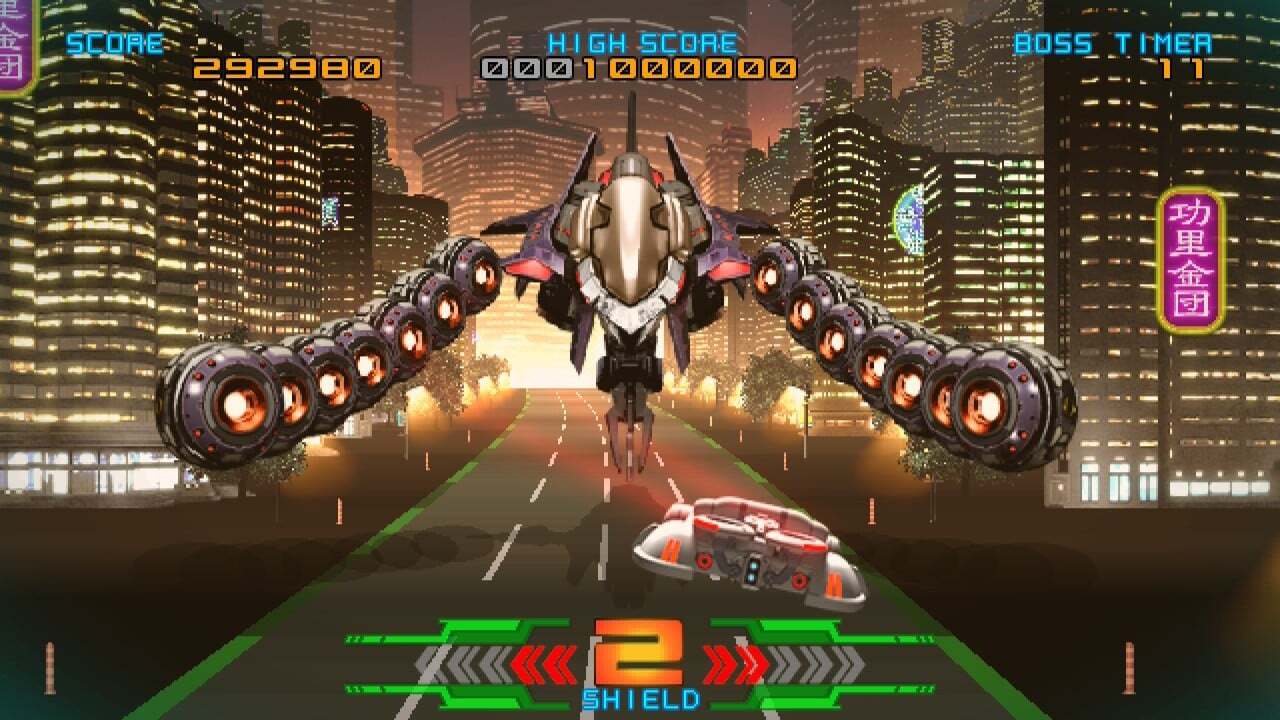
Night Striker Gear takes the weird, wonderful pseudo-3D rush of the late-’80s arcade era and injects it with modern polish — think sprite-scaling thrills, blazing synth cues, and a hover-car that feels like it wants to eat the horizon. It’s a short, gorgeous sprint of a shooter that wears its nostalgia on its sleeve but adds a few new tricks (hello, GEAR System) to keep veteran players engaged.

Why it’s fun — bite-size speed with old-school guts
At its core Night Striker Gear is wildly approachable: simple controls, a relentless sense of forward motion, and a steady stream of spectacle. Levels are designed like roller-coaster routes — enemies and set-pieces pop up in choreographed waves while the Inter-Gray (your transformable car) rockets down a neon highway. If you grew up on Space Harrier, OutRun or the original Night Striker, this one hits the same gut-level “push forward” joy — except with sharper visuals, widescreen framing, and a few modern QoL touches.
A sequel that remembers where it came from (but doesn’t get stuck there)
Night Striker Gear is a direct spiritual follow-up to Taito’s 1989 arcade runner, reinvented by preservation heavyweights M2. The team leans into sprite-scaling pseudo-3D — that classic “fake 3D” look where scaled sprites create speed and depth — while updating aspect ratio, resolution, and soundtrack for today’s hardware. It’s a respectful revival: the game clearly knows what made the original pulse-pounding and keeps those DNA strands intact.
Gameplay mechanics — the GEAR System and the Inter-Gray
Don’t expect complex RPG layers — Night Striker Gear designs depth around tight, arcadey systems. The new GEAR System (its headline addition) introduces tactical choices mid-run — a kind of loadout/ability mechanic that changes how you approach enemy clusters and bosses. You’ll balance mobility, firepower, and special abilities while keeping momentum; the result is short runs that reward pattern reading and quick reflexes rather than memorizing sprawling level maps. Boss fights are spectacle-heavy and move through phases that make inventive use of the pseudo-3D plane.
Started playing Night Striker Gear on Switch 2
This game feels GREAT
— Jiikae (@Jiikae)
4:30 PM • Oct 25, 2025
Presentation — neon, noise, and audio muscle
Graphically the game is frequently stunning: bold palettes, slick sprite work, and modern post-processing that flatters the retro aesthetic without washing it out. The soundtrack leans into electronic drive — pounding beats and synths that push the sensation of speed. If you appreciate games that let the audio work in tandem with level design, Night Striker Gear delivers an audio-visual one-two punch. Reviews praise it as an audio-sensory thrill even if longevity isn’t its strongest suit.
Launch details & availability (what you need to know)
Night Striker Gear launched on PC (Steam) and arrived on Nintendo Switch on October 23, 2025; it’s developed and published by M2 with language options including English and Japanese. Pricing for the PC release was listed at $18.99 on launch. There’s no indication of strict regional exclusivity — the release has been positioned as a worldwide Switch eShop/Steam launch — though platform-specific availability and sales may differ by region or storefront.
Who will love it — and who might not
This is a love letter to fans of late-’80s/early-’90s arcade kits: players who live for score runs, short intense sessions, and visual flourishes will find a lot to enjoy. If you want sprawling modern shooter RPGs or massive content depth, this is not that — reviewers note the package feels tight (some would say short) and geared toward high-score chasing and spectacle rather than long campaign breadth.
Developer pedigree: Built by M2 — the studio known for high-quality ports and retro preservation projects — and tied to Taito’s Night Striker lineage.
Series roots: Original Night Striker debuted in 1989 and blended Space Harrier-style movement with vehicular combat.
New mechanics: Introduces a “GEAR System” that adds tactical loadout choices to runs.
Platforms at launch: PC (Steam) and Nintendo Switch (launched Oct 23, 2025).
Price note: Steam listed the PC launch price at $18.99.
Final take — short, shiny, and worth a night ride
Night Striker Gear doesn’t try to be everything. It’s a compact, joyful revival that nails atmosphere and moment-to-moment thrills. If you’re nostalgic for pseudo-3D arcade rushes or you just want a tight shoot-’em-up with modern sheen and a killer soundtrack, add this to your Switch wishlist or grab it on Steam. Expect a high-octane sprint more than an epic marathon — and plan to replay runs to squeeze every last point out of the Inter-Gray.

Reforging the Arena: Battle Arena Toshinden Blades Its Way Back to Modern Consoles
The swordplay that defined the early PlayStation era is getting a fresh lease on life. Edia — the Japanese publisher that’s been quietly reviving cult classics — announced plans to bring the first three Battle Arena Toshinden titles to modern systems, promising more than simple emulation and hinting at a proper celebration of the series’ 30-year legacy.
Why Toshinden still matters
Back when polygons were the new rock stars of gaming, Toshinden landed as one of the first weapon-based 3D fighters to hit the original PlayStation. Its emphasis on sidestepping, arena-style stages and anime-influenced character design made it feel like a kid-friendly counterpart to the brutal realism of Virtua Fighter — but with flashy swords and a distinctly ’90s swagger. For a generation that grew up on chunky polygons and bold box art, Toshinden is nostalgia served sharp-edged.
The comeback plan — who’s doing what, and when
Edia’s approach
Edia has confirmed it secured a license from Takara Tomy to develop ports of Battle Arena Toshinden 1, 2, and 3 for modern platforms, with development and releases slated across its 2026–2027 fiscal windows. The publisher frames this as more than “slap-on” ports — it’s leaning on its retro-porting experience to deliver releases that fans will actually enjoy on today’s consoles.
Which platforms (likely)
Edia hasn’t listed exact platforms yet, but common sense (and past Edia projects) points to Nintendo Switch, PlayStation 4/5, Xbox Series, and PC storefronts as likely targets. Expect formal platform announcements and regional availability details to roll out closer to each title’s release window.
Edia has secured a deal with Takara Tomy to bring the classic Battle Arena Toshinden series to modern platforms.
The beloved 3D fighters will be available between 2026-2027, celebrating their 30th anniversary in style!
(1/2)
— Game Rumors (@playswave_com)
12:22 AM • Oct 27, 2025
What made the gameplay tick — and what to hope for
Core mechanics
Toshinden’s DNA is built around weapons-based combat, simple-but-satisfying special moves, and the sidestep maneuver that made battlefield positioning matter in 3D. Characters were quick, movesets readable, and the early titles tastefully mixed anime flair with arcade accessibility — which is why they’re such strong candidates for modern reissues that can appeal to both veterans and curious newcomers.
Modern wishlist
If Edia is aiming to “do more than ports,” here’s what fans will want: rollback netcode for online play, crisp up-res textures and UI, optional original-graphics toggle for purists, local multiplayer menus polished for modern controllers, and perhaps a small museum mode with concept art and the kind of voice/text timelines retro fans eat up. Save states, controller remapping, and difficulty options would also go a long way to make these releases accessible. (Official feature lists are still pending.)
Regional notes & the long shadow of previous re-releases
The Toshinden catalog’s reissue history is patchy — while the original saw multiple ports back in the ’90s, there have been very few official modern re-releases, and prior nostalgia drops (like PlayStation Classic-era bundles) were sometimes region-restricted. Edia’s announcement highlights global ambitions, but expect staggered region windows or platform exclusives to be a possibility until the company spells out distribution plans.
Developer & series snapshot — quick reference
Developer: Tamsoft (original series development)
Original Publisher: Takara (and Sony/various regional partners)
First release: 1995 (PlayStation launch era)
Notable mechanics: Weapons-based one-on-one combat, 360° sidestep, short arcade runs & memorable boss fights.
Launch-lineage: Battle Arena Toshinden launched during the PlayStation’s debut year and became one of its most talked-about early 3D fighters.
Art house: Character art and designs were heavily anime-styled — a big reason the series stuck in fans’ memories.
Multiple platforms: The series has seen releases on PlayStation, Saturn, Game Boy (2D adaptation), and PC in its lifetime.
Rivalry roots: In the mid-’90s Toshinden was often photographed in the same breath as Tekken and Virtua Fighter — its existence helped push the whole 3D fighting scene forward.
Final thoughts — what this means for fans
This is the kind of thoughtful retro resurrection that can both preserve gaming history and give younger players a chance to see how 3D fighters evolved. If Edia follows through with quality ports and modern niceties (online, options, extras), Toshinden’s reissues could be a welcome blast of ’90s energy across living rooms worldwide. Keep an eye on official announcements for platform lists, release dates, and pre-order windows — and maybe start thinking about which childhood main you’ll pick first.
Gear up, sharpen those virtual blades, and stay tuned — the Toshinden tournament is coming back to town.
“Thanks for the Memories”: Danny Russell Steps Away from SEGA, Closing the Sega Forever Chapter
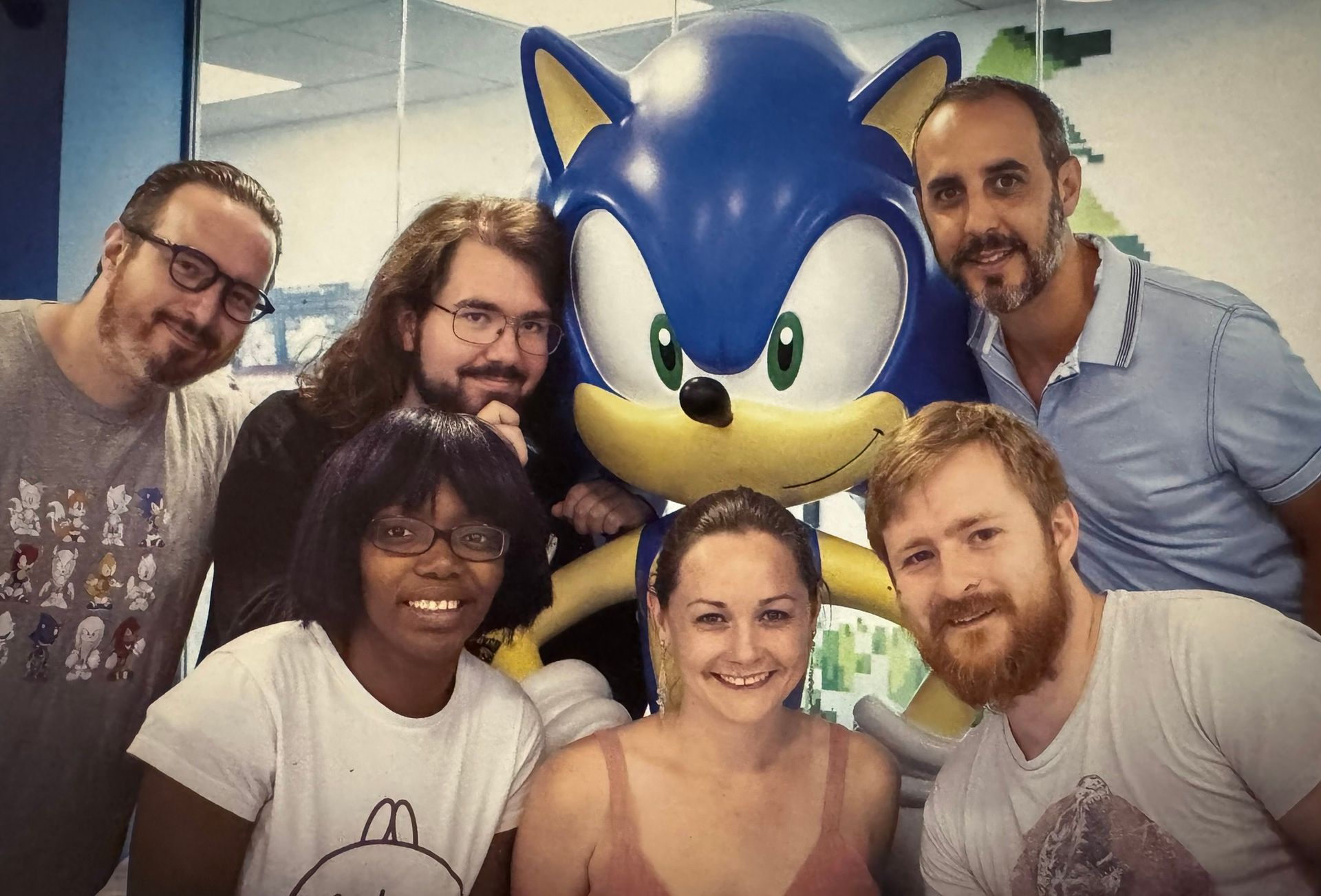
For a lot of retro fans, Danny Russell’s voice was Sega Forever — the friendly, enthusiastic community face who helped turn dusty cartridges and archive clips into weekly nostalgia moments. His tenure at Sega stood out because he didn’t just manage social accounts — he built a retro brand and a community playbook that made old games feel present again. Recently Russell confirmed he has moved on from Sega, bringing an end to a chapter that shaped how many of us remember classic SEGA moments.
From Genesis-era nostalgia to a modern retro brand
When SEGA announced Sega Forever in 2017 it promised to make classics like Sonic the Hedgehog, Altered Beast and Comix Zone easy to play on modern devices — a nostalgia-first play that also served as a living catalogue for the company’s legacy. Danny Russell was one of the people most closely associated with that push, helping to launch and run the Sega Forever social and community channels that connected decades-old IP to a new generation of players.
What Russell actually built
Russell’s approach was equal parts archivist and hype man: social-first campaigns, behind-the-scenes nostalgia pieces, and community-driven moments (podcast interviews, retrospectives, and Q&As) that treated fans like collaborators rather than just consumers. That community-first voice helped Sega turn simple re-releases into recurring conversation points — not always a guaranteed win, but often an authentic one.
The parting: when and what he said
Russell publicly confirmed in a post on X that he “moved on” from Sega last year, calling it “an incredible chapter” and highlighting that launching and running the SEGA Forever brand was one of his proudest achievements. Corporate timelines line up with public records that show Russell left Sega in early 2024.
"After some time away from socials for personal reasons, I’m ready to share that last year I moved on from SEGA, closing an incredible chapter of my career.
I had the privilege of working on some truly iconic brands, starting with global community efforts across mobile titles
— Danny Russell (@caffeinedreamer)
3:18 PM • Oct 28, 2025
What’s next (and what’s uncertain)
Russell’s public statement focused on gratitude and stepping away; he hasn’t announced a big new industry project in the same breath. There are short-form roles and community gigs listed on professional profiles since then, but as of his public note the story felt like “closing a chapter” more than “starting the next epic” — which, for someone so wrapped up in retro culture, leaves room (and hope) for more preservation-style work or indie community projects down the line.
Legacy & the state of Sega Forever
Sega Forever itself launched in June 2017 as a mobile-first re-release program and for a while was a headline-making example of how a publisher could monetize nostalgia with cloud saves, leaderboards and controller support — though the service later faced hiccups and periods of inactivity, with parts of the catalog quietly delisted in later years. Russell’s name will likely stay tied to that experiment — warts and all — because he was the human face fans could talk to about the service’s mission and its misses.
Role: Senior Global Community Manager — lead voice for Sega Forever and Sega social/community initiatives while at Sega.
Sega Forever launch: The initiative debuted on 22 June 2017, bringing classic Genesis/Mega Drive and other era titles to mobile devices.
Community work: Frequent podcast and interview guest on retro-SEGA outlets (e.g., The SEGA Lounge, RadioSEGA), where he discussed archival work and retro releases.
Departure timing: Public profiles and reporting indicate Russell parted ways with Sega in early 2024, a date he referenced in follow-ups about the brand and his career.
Standout highlight: Building the Sega Forever social/retro brand from scratch and making it a community hub for classic SEGA fans.
Sign-off — what this means for fans
People who collect screenshots, chase down lost press kits, or argue endlessly about the best Streets of Rage boss will miss having Danny as the go-to community bridge. His departure doesn’t erase the work — it underscores how much of the retro revival has been driven by a few passionate people who remember that games are cultural artifacts, not just line items on a balance sheet. If you’d like to follow what he does next, his public post and professional profiles are the most direct places to watch for new projects.
Thanks for the memories, Danny — and for making ours a little easier to find. Keep your cartridge boxes dust-free and your save files backed up.
We hope you tune back in for our next issue, where we'll dive deep into more retro gaming news!
Reply